
frosted to clear glass
How to Close the Water Valve A Step-by-Step Guide Closing a water valve is an important skill that every homeowner should learn. Whether you're dealing with a plumbing emergency, performing maintenance, or just reducing water flow, knowing how to properly close a water valve can save you time, money, and potential damage to your property. In this article, we'll explore the steps to successfully close a water valve and provide some additional tips for managing your plumbing system effectively. Understanding Water Valves Before we get into the steps, it's essential to understand what a water valve is and its function. A water valve is a mechanical device that controls the flow of water in your plumbing system. Valves can be found in various locations, such as near sinks, toilets, water heaters, and the main water supply line. There are different types of valves, including gate valves, ball valves, and globe valves, each operating slightly differently. - Gate Valve This type of valve is operated by turning the handle in a clockwise direction to close it. Gate valves are typically used for on/off service and are not designed for throttling flow. - Ball Valve This valve uses a spherical disk to stop the flow of water. To close a ball valve, simply turn the handle 90 degrees clockwise. - Globe Valve Globe valves are commonly used for regulating flow. They can be closed by turning the handle clockwise, similar to gate valves. Step-by-Step Guide to Closing a Water Valve 1. Locate the Valve The first step is to locate the water valve you want to close. Common places include under sinks, behind toilets, near appliances, or at the main water supply line. If you're unsure, you can follow the water supply line from the fixture or appliance to find the valve. 2. Assess the Valve Type Once you find the valve, determine which type it is. This will influence how you operate it. Make sure you have a clear understanding of whether it's a gate valve, ball valve, or globe valve. 3. Prepare the Area Before closing the valve, it’s a good idea to clear the area around it. This will give you enough space to maneuver and prevent any accidents . If there's any water leaking, use a towel or a bucket to catch it. how to close the water valve 4. Turn Off the Valve - For a gate valve, grip the wheel handle and turn it clockwise until it won't turn anymore. Don’t force it; just turn until you feel resistance. - For a ball valve, turn the lever handle 90 degrees in the clockwise direction until it’s perpendicular to the pipe. - For a globe valve, turn the handle clockwise until it stops. 5. Check for Leaks After closing the valve, it’s essential to check for leaks. Go back to the fixture or appliance and look for any signs of water escaping. If there’s a leak, tighten the valve handle slightly more or consider replacing the valve. 6. Documentation and Maintenance Make a note of the valve's location and any maintenance you've performed. Regular check-ups of your valves can help ensure their reliability. Additional Tips - Use Caution If the water pressure is high, water may spew out when you first start to turn the valve. Be prepared to handle this and, if necessary, use a towel to mitigate splashing. - Have Tools Ready Sometimes valves can be rusted or stuck. In such cases, having a pair of pliers or a wrench may help. - Know Your Main Valve Always know where your main water shut-off valve is located. In an emergency, being able to quickly shut off all water supply can prevent extensive water damage. - Consider Professional Help If you're unsure about closing a valve or if it seems damaged, it’s wise to consult a professional plumber to avoid complications. In conclusion, closing a water valve is a vital skill that can make a significant difference in maintaining your home’s plumbing system. By following these steps and being aware of your valves, you'll be better equipped to handle any plumbing situation that arises.
about
frosted to clear glass
Grounding a Welding Table Ensuring Safety and Efficiency Welding is a crucial process in various industries, from construction to manufacturing. However, it comes with inherent risks, particularly related to electrical hazards. One of the most effective ways to mitigate these risks is by properly grounding a welding table. This article will explore the importance of grounding a welding table, the methods to achieve it, and the benefits that follow. Importance of Grounding Grounding a welding table is vital for a number of reasons. Primarily, it protects the welder from electrical shock. Welding involves high voltages that can be dangerous without proper safety measures. If a welder accidentally touches a live wire or an electrically charged component, grounding ensures that the electrical current has a safe path to the ground, reducing the risk of serious injury. Moreover, effective grounding helps prevent equipment damage. An ungrounded welding table can lead to electrical surges that might damage the welder or other electronic devices in the vicinity. By establishing a reliable grounding system, businesses can save on repair and replacement costs. Additionally, grounding improves the quality of the welded product. Electrical disturbances can create inconsistencies in the welding arc, leading to weak joints and subpar finishes. Grounding the table minimizes these disturbances, resulting in a cleaner and more efficient welding process. Methods to Ground a Welding Table Grounding a welding table involves a few straightforward steps. First, one must determine the grounding needs of the workspace and select appropriate materials. Generally, metal welding tables are grounded using a copper or aluminum grounding wire. 1. Prepare the Welding Table Ensure that the welding table is clean and free from rust or paint in the area where the ground connection will be made . This is crucial for an effective electrical connection. grounding a welding table 2. Choose the Right Grounding Method - Direct Grounding This involves connecting a grounding wire directly from the welding table to a grounding rod that is securely driven into the earth. This method is straightforward and highly effective. - Electrical System Grounding In some facilities, welding tables can be grounded via the building's electrical system. This requires connecting the table to an appropriate grounding terminal on an electrical panel. 3. Connect the Grounding Wire Use appropriate connectors to attach the grounding wire to the welding table. Bolts or clamps made of conductive material should be used to ensure a strong bond. 4. Test the Grounding Connection After installation, it’s important to test the grounding system. A multimeter can be used to check the continuity of the grounding wire and verify that it has a low resistance connection to the ground. Benefits of Proper Grounding The benefits of grounding a welding table extend beyond safety. First and foremost, it enhances the overall safety of the workplace. The reduction of electrical hazards creates a more secure environment for workers, which can improve morale and productivity. Additionally, grounding contributes to higher quality welds. With a stable ground connection, welders can achieve more consistent arcs and better penetration, leading to stronger joints. This not only enhances product quality but also reduces rework and scrap, ultimately improving efficiency. Improved equipment longevity is another significant benefit. Proper grounding can greatly reduce the wear and tear on welding equipment, ensuring that tools and machines last longer and function at their best. Conclusion In conclusion, grounding a welding table is an essential practice that ensures safety, improves efficiency, and enhances the quality of welds. By understanding the importance of grounding and implementing effective grounding methods, welders and organizations can protect both their employees and their equipment. Regular maintenance and testing of grounding systems are also crucial to ensure ongoing safety and effectiveness in the welding process. In a profession where safety is paramount, a well-grounded welding table is not just an option; it is a necessity.
-

High quality industrial productsagement

High quality industrial products
View Details -

Meet the diverse needs of customers

Meet the diverse needs of customers
View Details -

Strict quality control

Strict quality control
View Details -

Top raw materials

Top raw materials
View Details -

Trusted supplier

Trusted supplier
View Details
Our application
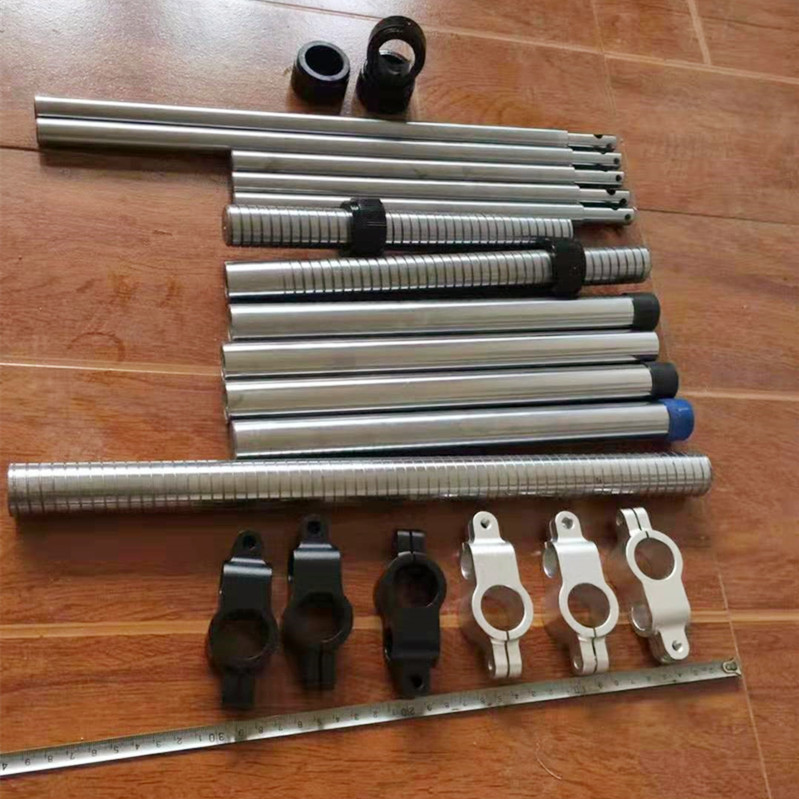
news and information
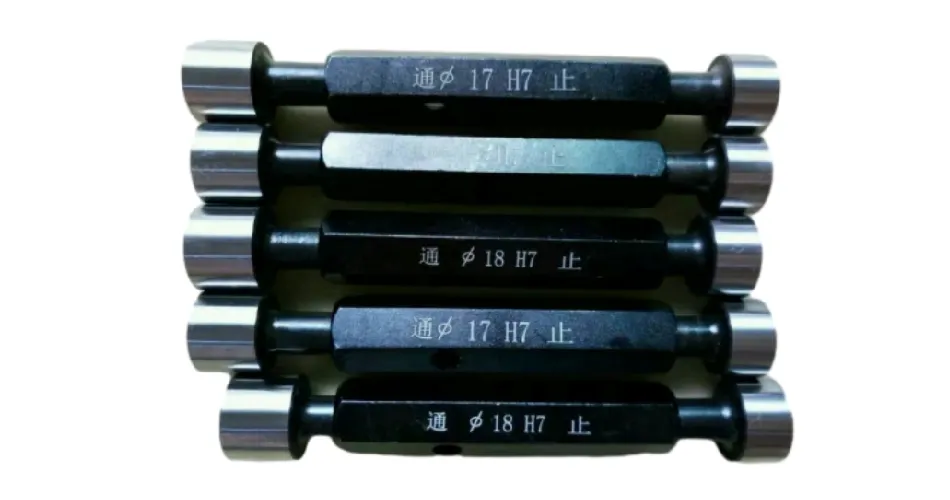
Using Thread Ring Gauge for Precision Measurement and Quality Assurance in Manufacturing
The Importance of a Thread Ring Gauge in Quality Control In the realm of engineering and manufacturi
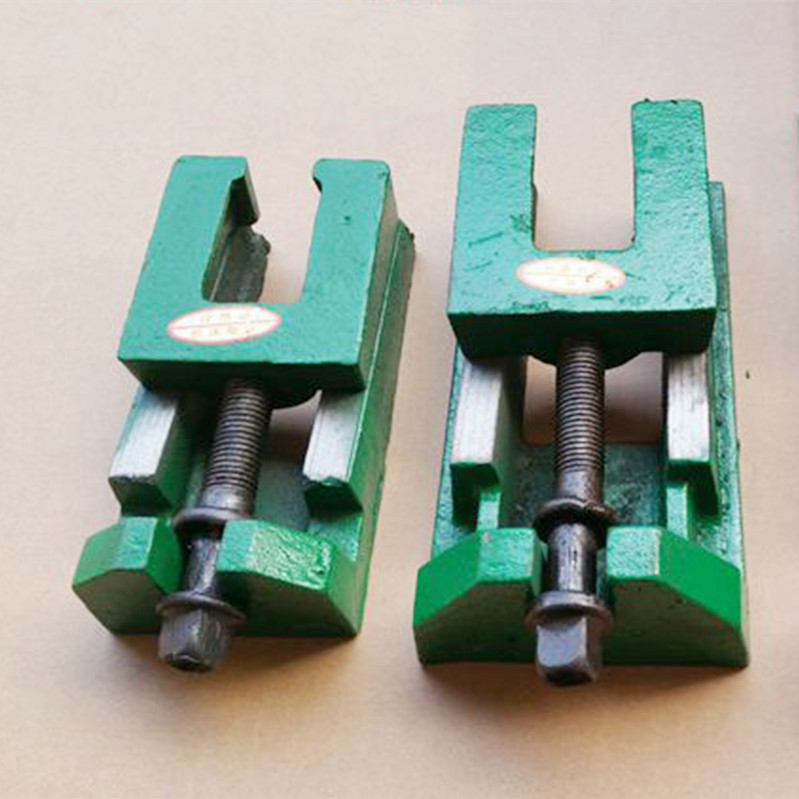
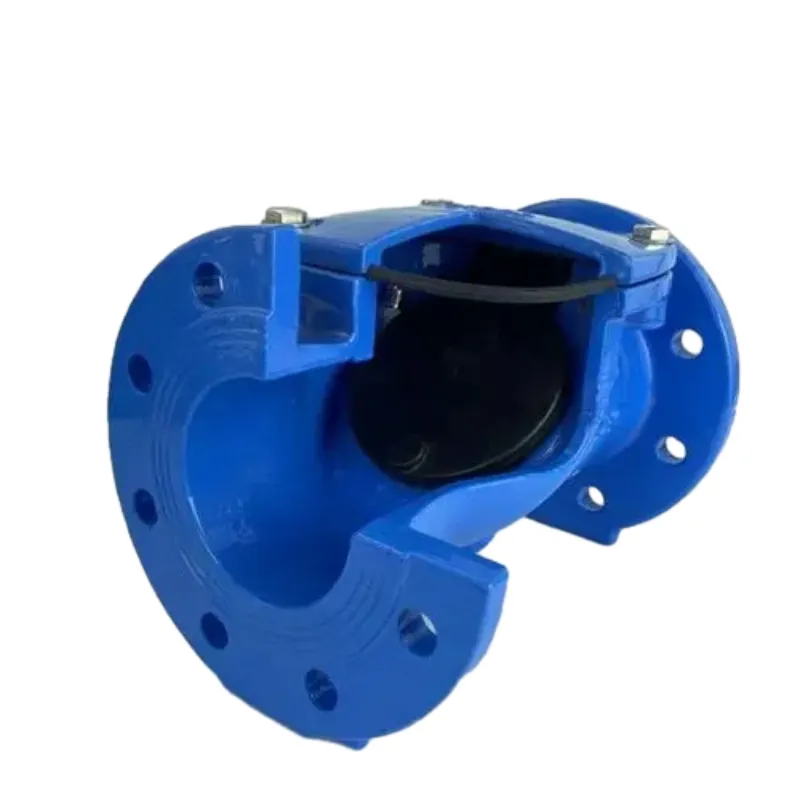
Various Control Valve Types and Their Industrial Uses Explained
Types of Control Valves and Their Applications Control valves are essential components in various in
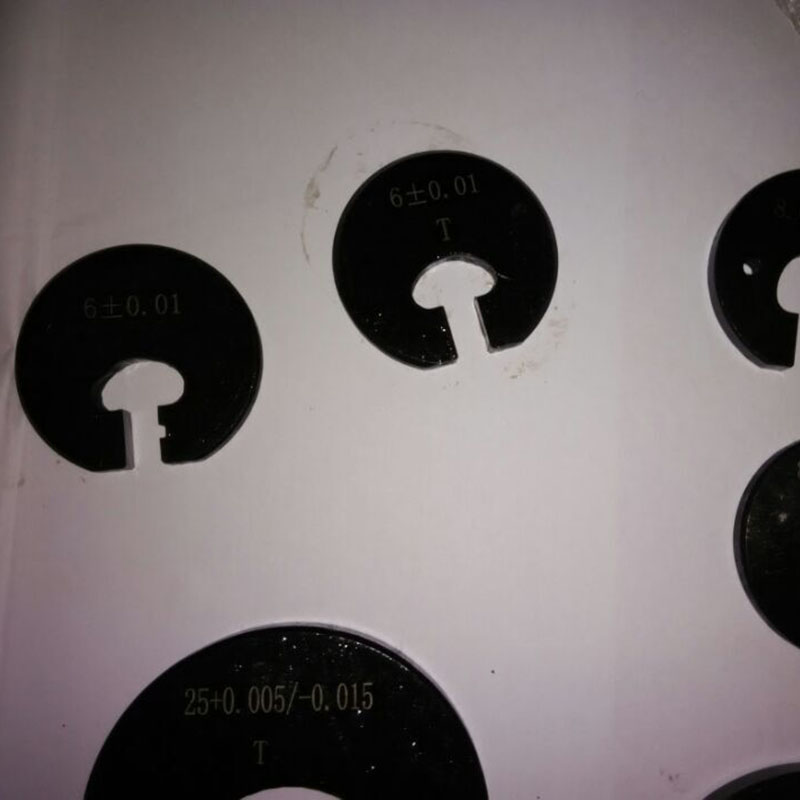
Válvula borterilha de 1,5 polegadas para aplicações industriais e de encanamento.
Válvula Borboleta de 1.5 Polegadas Um Componente Essencial na Indústria As válvulas borboleta desemp
 English